Search Result

2155 results found.

Georgian TV and the political framing of foreign actors

No matter their political stripes, TV channels in Georgia frame association with Russia as politically condemnatory and association with Western countries as praiseworthy.


The preliminary statement of the OSCE/ODIHR international election observation mission, published on 31 October, assessed the Georgian media environment as ‘highly polarised’. The Georgian Charter of Journalistic Ethics came to a similar conclusion, highlighting that polarization in television news increased as the election campaign wore on...

No matter their political stripes, TV channels in Georgia frame association with Russia as politically...
Georgian voters: personalities, policies, or a bit of both?

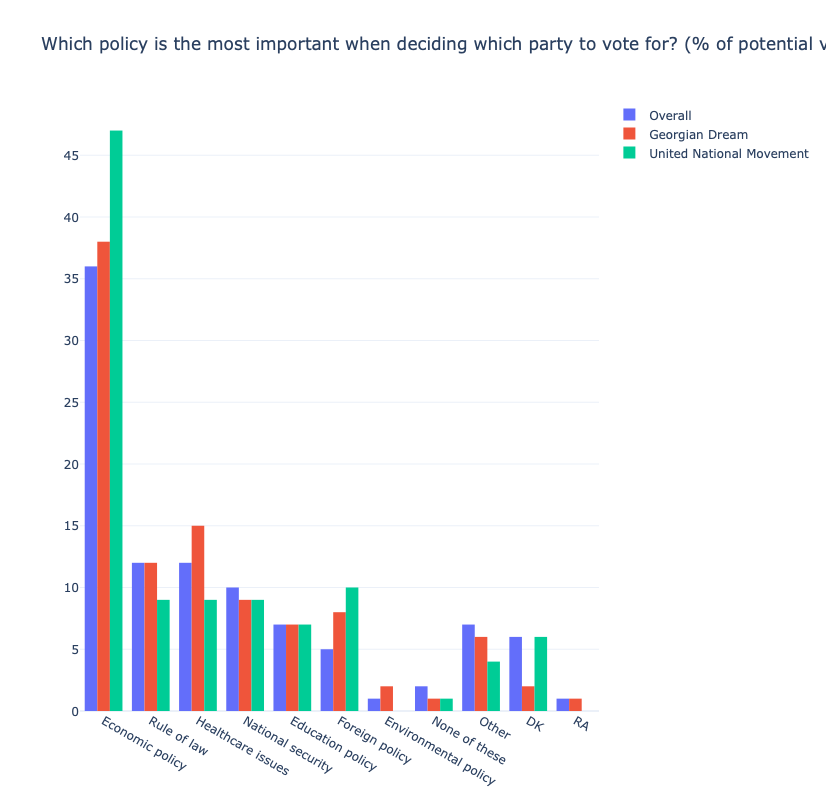
While personality in politics matters greatly for the Georgian public, data from this year shows that for Georgian Dream and United National Movement voters, policy is still important. 


A recent CRRC Georgia policy brief argued that what was really dividing Georgians politically was personalities rather than policies. Data from the August 2020 CRRC and NDI survey provides further evidence for this idea. 


However, the data also shows a difference between Georgian Dream (GD) and United National Movement (UNM) voters in terms of policy preferences and that economic policy is the most important issue for a plurality of voters. 

While personality in politics matters greatly for the Georgian public, data from this year shows...

Gaps remain in mobile phone ownership in Georgia

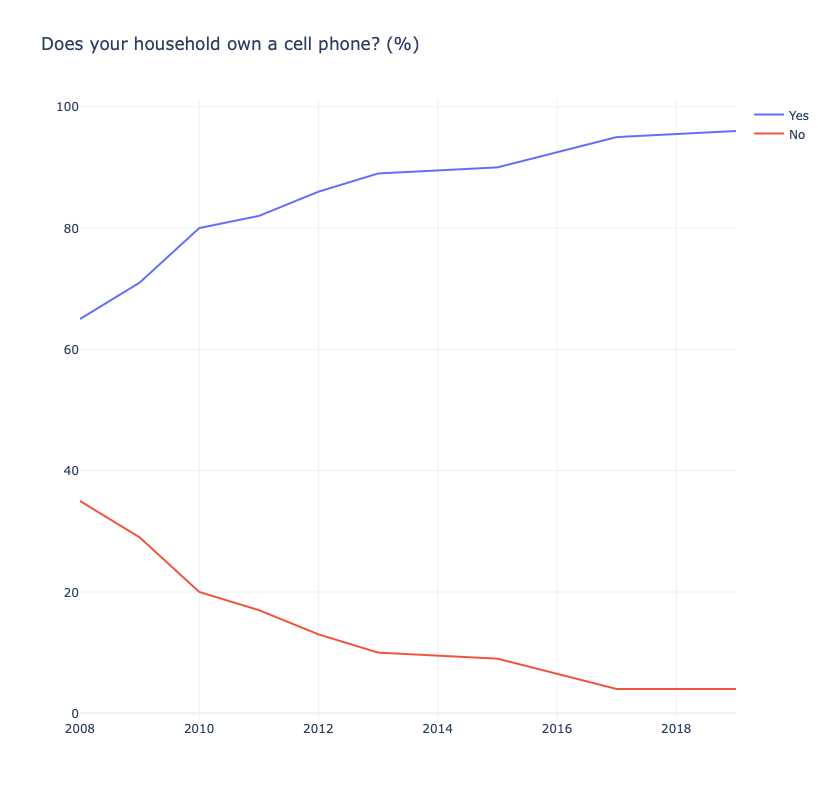
While mobile phone ownership is widespread in Georgia, gaps still remain among rural, elderly, and ethnic minority populations.


Owning a mobile (cell phone) is considered so important that more widespread ownership is considered a sustainable development goal (SDG 5.b) by the United Nations. 


Mobile phone ownership among households has increased significantly over the last decade. Caucasus Barometer data indicates that in 2008, two thirds of households owned a mobile phone. This has steadily increased, reaching 96% of households in 2019, the last year for which Caucasus Barometer data is available.

While mobile phone ownership is widespread in Georgia, gaps still remain among rural, elderly, and...

The state of Georgia’s democracy: At the crossroads of decline and opportunity

Support young researchers from the three South Caucasus countries in learning about the application of...

How Georgians perceive environmental problems

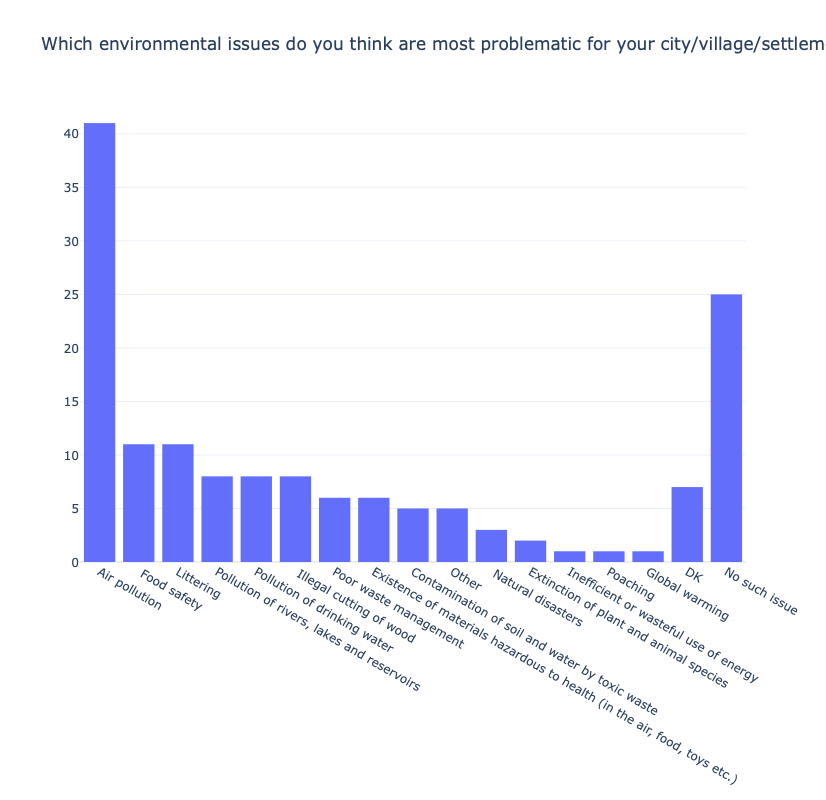
While air pollution is dominant as the most important environmental issue for Georgians, a stark rural-urban divide exists with rural Georgians being one-third more likely to believe that there are no environmental problems in their communities.


Georgia faces a number of environmental challenges, including air pollution, issues with invasive species such as the brown marmorated stink bug, and natural disasters


Data from the World Health Organization suggests that Georgia has a moderate problem with air pollution, ranking 70th in the world and, according to CRRC and NDI data from 2020, a little under half of Georgians perceive it as the biggest environmental issue in their community.  

While air pollution is dominant as the most important environmental issue for Georgians, a stark...

How coronavirus messaging could provide a moral license to misbehave

In Georgia, it would appear that informing people that others are acting responsibly in the pandemic could in fact lead to the opposite behaviour.

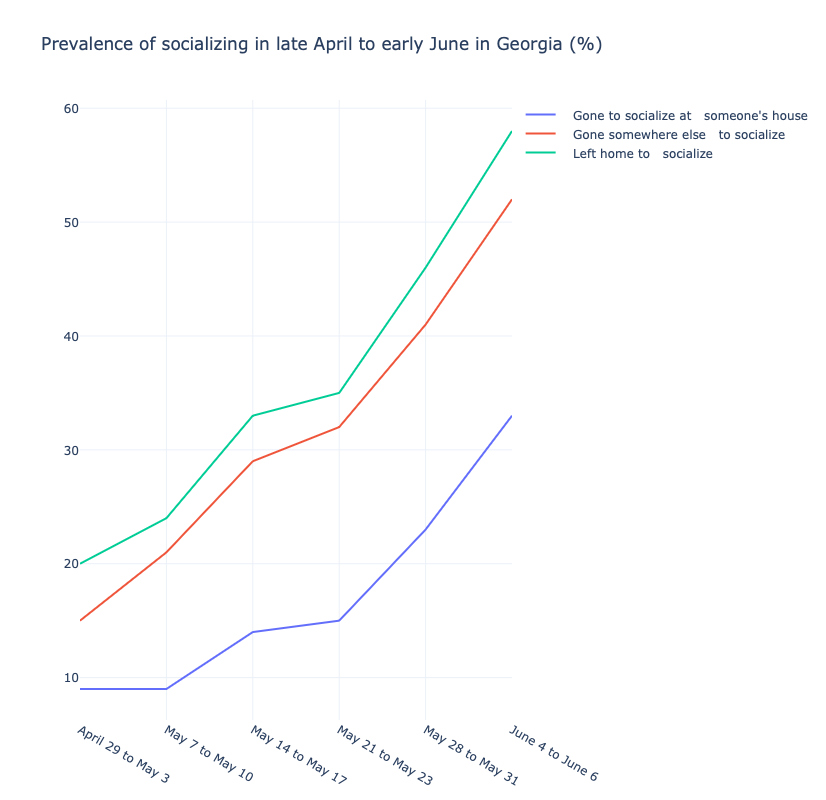
Communications have been critical to attempts to prevent the spread of COVID-19 globally, and it is unclear what the best strategy for doing so might be. In Georgia, it would appear that informing people that others are acting responsibly in the pandemic could in fact lead to the opposite behaviour.

In Georgia, it would appear that informing people that others are acting responsibly in the...

More Georgians than ever own phones and TVs, but inequalities remain

Survey data from the last decade shows that more and more Georgians own household goods like mobile phones, TVs and washing machines, but inequalities in such material wealth still remain.

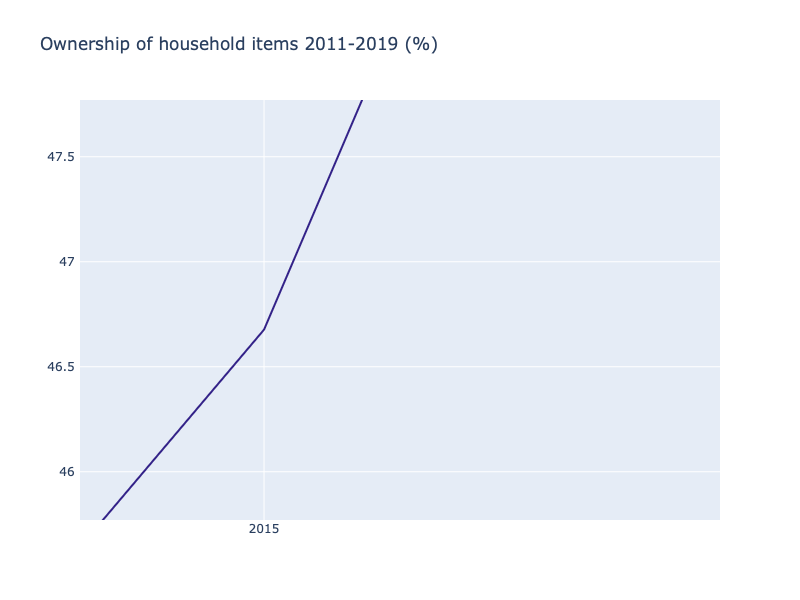
The Caucasus Barometer survey shows a steady growth in ownership of durable goods across Georgia over the last eight years. 
 
The percentage of survey respondents reporting ownership of each of a basket of seven household items has risen since 2011, with the increase most marked in rural areas. Whilst the rural-urban divide is seen to be closing, large gaps remain between respondents with higher education and those without. 
 
Survey data from the last decade shows that more and more Georgians own household goods...

Conservative gender mores are changing in Georgia

Gendered norms prevail in Georgian society, which often translates into deprecation of women for smoking, drinking alcohol, having pre-marital sex, and even living with a boyfriend. However, attitudes appear to be shifting.

CRRC’s Caucasus Barometer survey asked people what they thought about several such activities. The data showed that the public are least accepting of women smoking, with 80% reporting it is never acceptable at any age. Sexual relations (63%) and cohabitating with a man before marriage were also commonly thought to be never acceptable for women (60%).

Gendered norms prevail in Georgian society, which often translates into deprecation of women for smoking,...