Search Result

2169 results found.

The evolution of feelings towards the pandemic

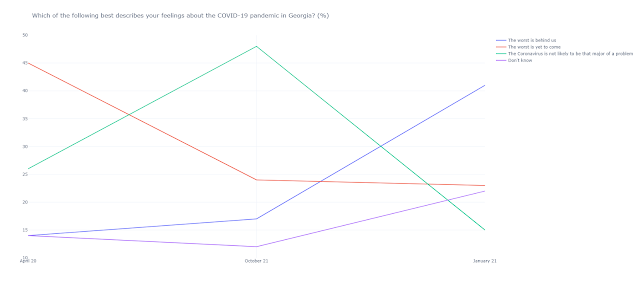
It’s been over a year since the first coronavirus case was recorded in Georgia, and attitudes towards the pandemic have continued to change.


CRRC Georgia’s Omnibus survey has tracked attitudes towards the COVID-19 pandemic since April 2020. Data from the most recent wave of the survey, in January, suggest that Georgians increasingly believe that the worst is already behind us. 


In April 2020, Georgia had low COVID-19 case counts. Given this as well as the difficult situations in other countries, it is perhaps unsurprising that 45% of the public believed that the worst of the virus was yet to come. At the same time, 26% thought that the virus would not be a major problem, and 14% thought that the worst had already passed.

It’s been over a year since the first coronavirus case was recorded in Georgia, and...
რატომ არ უნდათ ქართველებს აცრა?

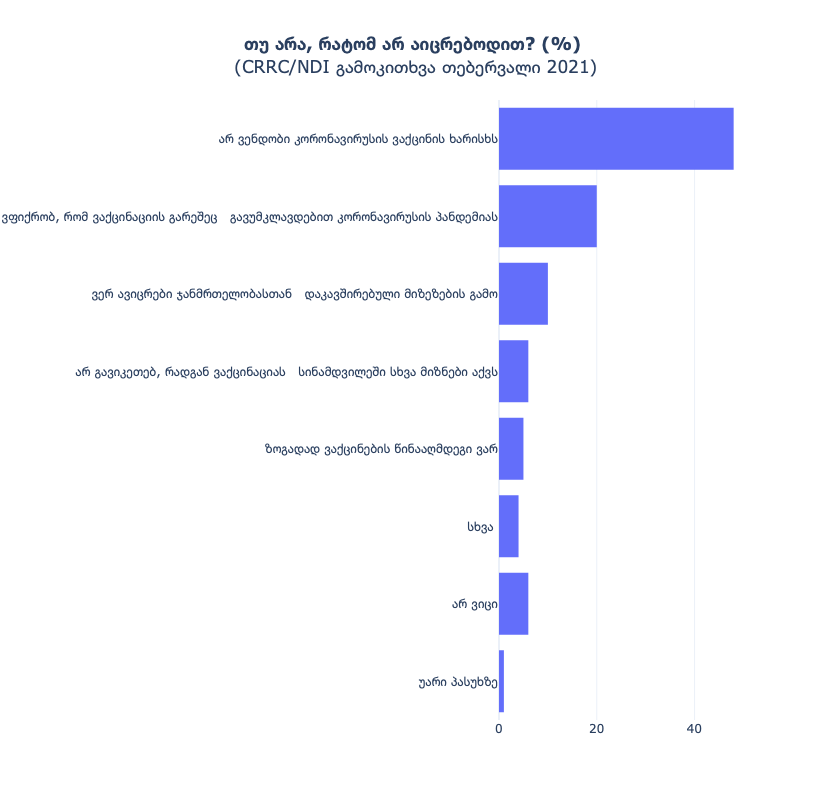
იმის გათვალისწინებით, რომ საქართველოში კორონავირუსის საწინააღმდეგო უკვე ორი სახის ვაქცინის გაკეთებაა შესაძლებელი, საზოგადოების დამოკიდებულება ვაქცინაციის მიმართ უფრო და უფრო მნიშვნელოვანი ხდება. რატომ არიან ქართველები ასე სკეპტიკურად განწყობილი კორონავირუსის საწინააღმდეგო ვაქცინაციის მიმართ?

კორონავირუსის წინააღმდეგ აცრის მიმართ მზაობა 2020 წლის ივნისსა და დეკემბერშიც არ იყო მაღალი, თუმცა, სავარაუდოდ, ეჭვები ვაქცინაციასთან დაკავშირებით უფრო გაიზრდებოდა მას შემდეგ, რაც 18 მარტს კორონავირუსის წინააღმდეგ ასტრაზენეკას ვაქცინით აცრის შემდეგ მცირე ხანში ახალგაზრდა ქალი გარდაიცვალა. 


CRRC/NDI-ის 2021 წლის თებერვლის გამოკითხვა აჩვენებს, რომ ამ შემთხვევამდეც კი, თებერვალში, ქართველების მხოლოდ მესამედი გამოხატავდა კორონავირუსის წინააღმდეგ აცრის მიმართ მზაობას და თავშეკავების მთავარ მიზეზად ვაქცინის ხარისხს ასახელებდა.

იმის გათვალისწინებით, რომ საქართველოში კორონავირუსის საწინააღმდეგო უკვე ორი სახის ვაქცინის გაკეთებაა შესაძლებელი, საზოგადოების დამოკიდებულება ვაქცინაციის...

Drug prices as big a concern as COVID-19 for Georgians

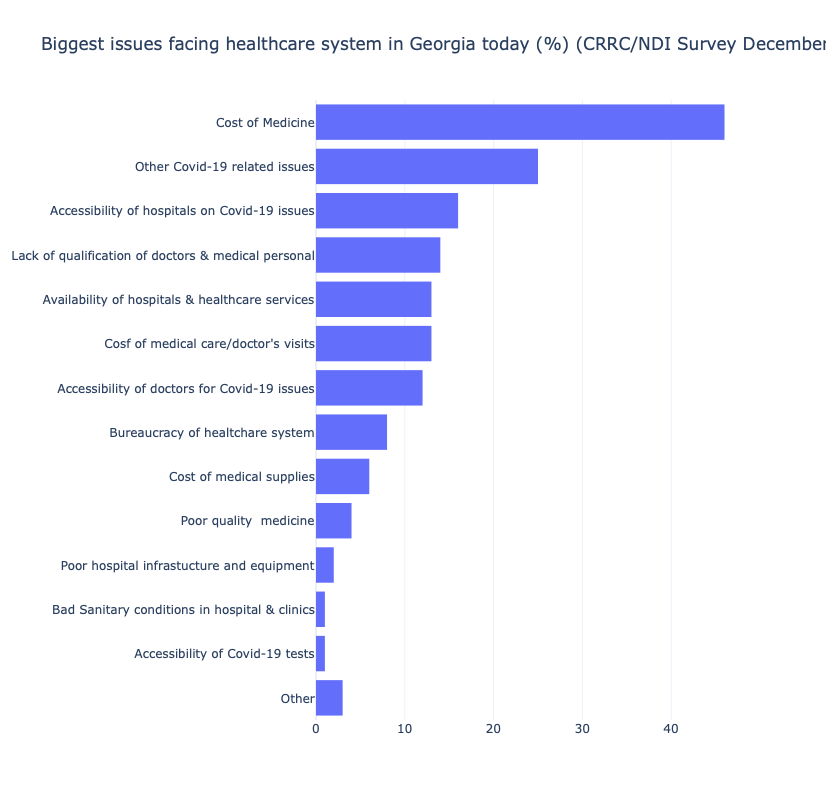
While Georgia’s healthcare system has faced significant challenges as a result of the pandemic, just under half of Georgians consider an issue related to COVID-19 to be among the main challenges facing the country’s healthcare system with medicine prices remaining a big worry, polling suggests. 


In the December 2020 NDI and CRRC-Georgia survey, respondents were asked what the largest issue facing the healthcare system was. They were allowed to name up to three issues. The most commonly named issues were the cost of medicine (46%), access to hospitals due to COVID-19 issues (16%), and other COVID-19 related issues (25%).

While Georgia’s healthcare system has faced significant challenges as a result of the pandemic, just...

Georgia among worst in the world for vaccine hesitancy

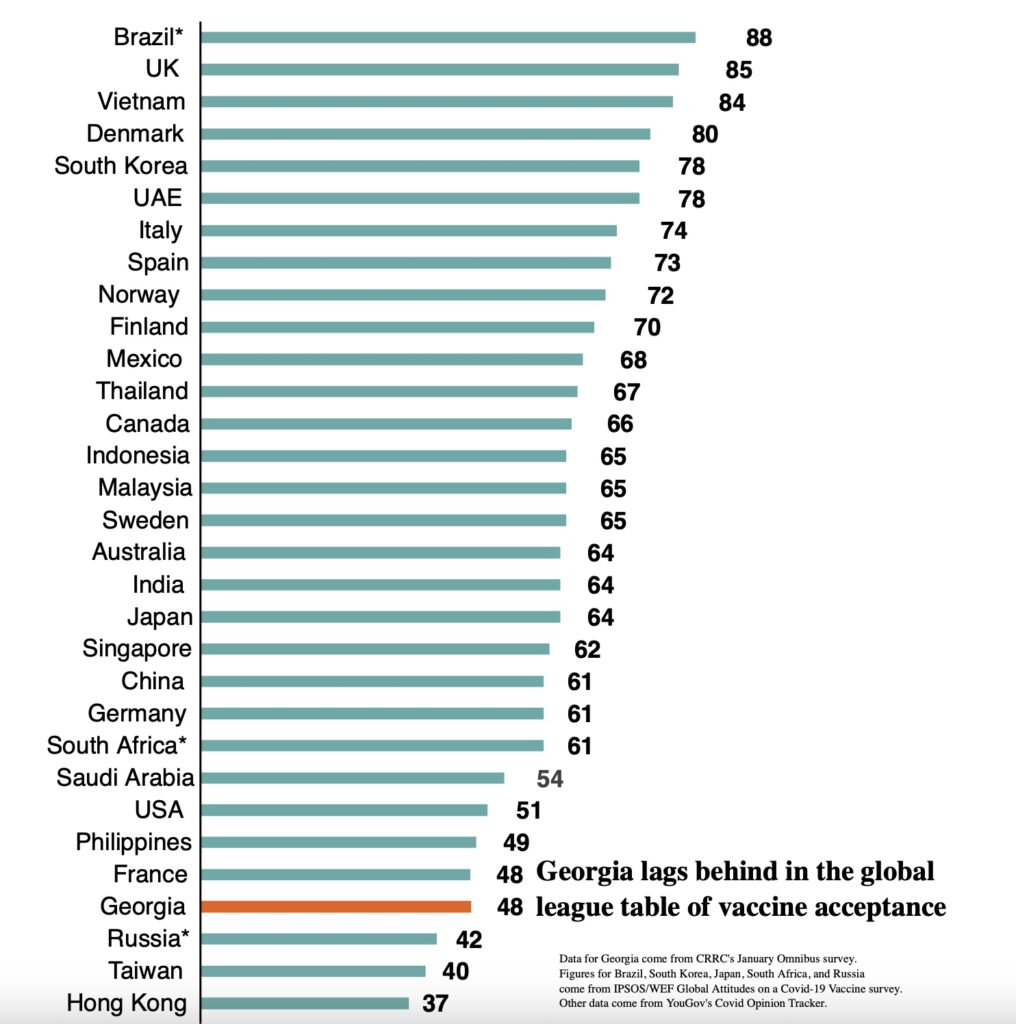
Scientists agree that global mass immunisation against COVID-19 is the only pathway to putting the virus under control. Yet, the World Health Organisation has argued that actually getting people to take vaccines is ‘an unprecedented challenge’, which might undermine mass immunisation efforts. 
 
New data suggests that the Georgian public is among the least interested in getting a vaccine globally, given available data. 
Scientists agree that global mass immunisation against COVID-19 is...

How do Georgians assess the parties involved in the Nagorno-Karabakh war?

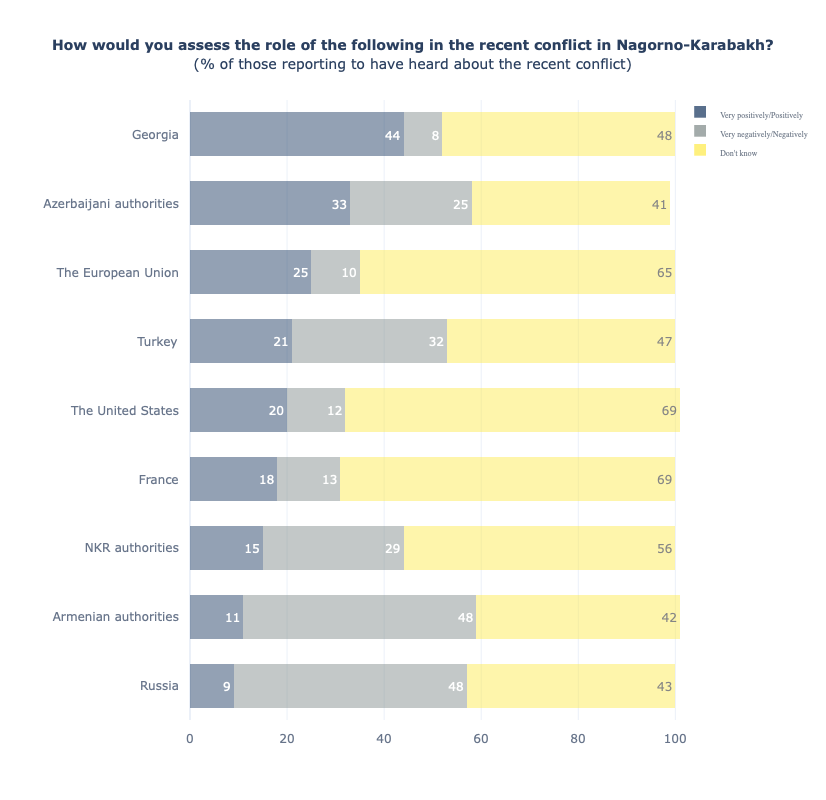
While polling suggests that 26% of Georgia’s population had not heard of the war in Nagorno-Karabakh last autumn, for those who had, opinions were difficult to gage. So how did Georgians view the roles of the belligerents, outside actors, and indeed their own country?
While polling suggests that 26% of Georgia’s population had not heard of the war in...

War in Nagorno-Karabakh went unnoticed for a quarter of Georgians

The recent war in Nagorno-Karabakh resulted in thousands of deaths and the displacement of tens of thousands. Yet despite there being a brutal war near its borders, many in Georgia were unaware of the conflict.


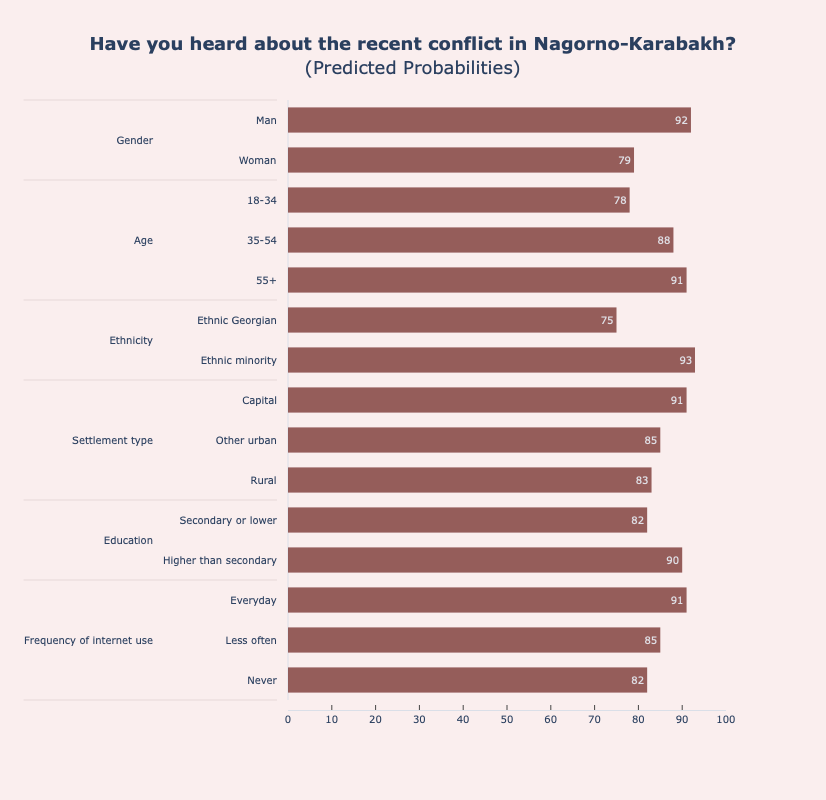
Data from the Caucasus Barometer survey indicate that awareness of the conflict’s existence increased shortly after the war in 2020 compared to 2013, but only slightly. In 2013, when the Nagorno-Karabakh conflict was ‘frozen’, 66% of Georgians reported they had heard of it. Around a third of the population was not aware of it. In December of 2020, shortly after the 44-day long war, 74% of Georgians reported they had heard of it. A whole quarter (26%) of the population, meanwhile, was not aware of military operations between the country’s two direct neighbours.

The recent war in Nagorno-Karabakh resulted in thousands of deaths and the displacement of tens...

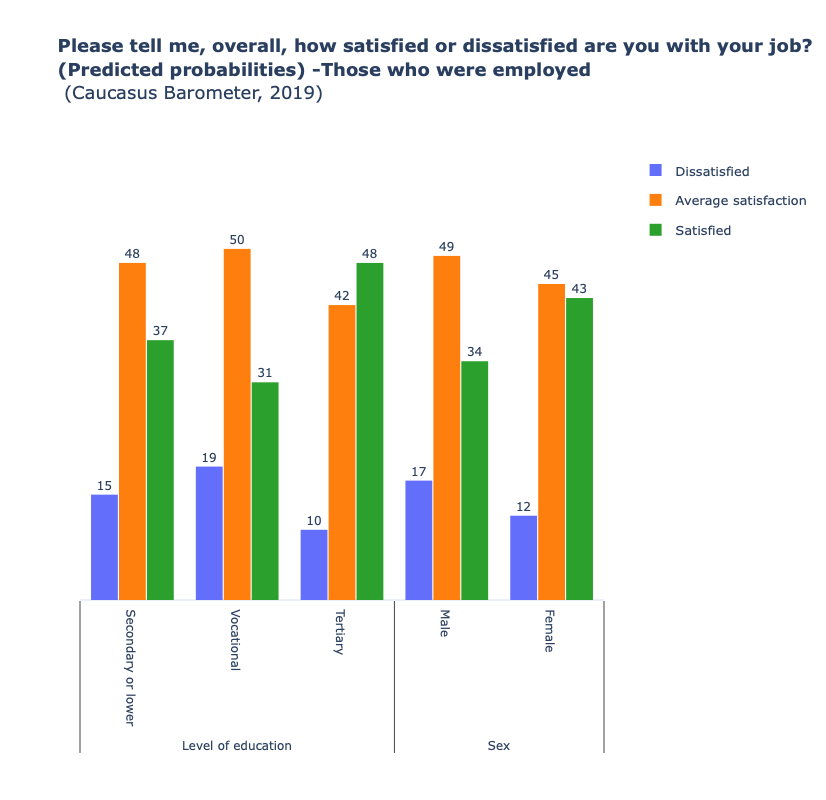
What predicts job satisfaction in Georgia?

Unemployment remains one of the most frequently cited concerns among Georgians. But how satisfied with their jobs are those who are employed?

Public opinion polling consistently shows that the most important issue facing the country is unemployment. While official data suggests an unemployment rate of around 17%, Caucasus barometer survey data suggests that only 40% consider themselves employed. 


While unemployment is clearly an issue, a secondary point is the quality of jobs available: a third of the unemployed (36%) reported that they do not work because available jobs do not pay enough, and 61% reported that suitable work is hard to find on a 2018 survey.

Unemployment remains one of the most frequently cited concerns among Georgians. But how satisfied with...

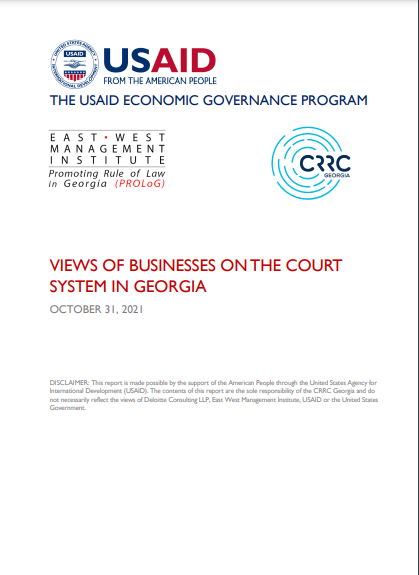
Report | Views of Businesses on the Court System in Georgia

This report examines business attitudes towards the judicial system in Georgia.
This report examines business attitudes towards the judicial system in Georgia....