Author: Nestan Ananidze, organization Solidarity Community
A study conducted in the summer of 2025 shows that women living in Khulo face a number of barriers to accessing healthcare services. The main challenges are related to the fact that some women hesitate to talk to doctors about various symptoms due to feelings of shame and associated stigmas. Women are also afraid of going to hospitals and undergoing medical examinations. This is especially true for women who have not received medical services for a long time. In addition, a lack of time due to household responsibilities further limits access. Respondents involved in the study did not identify specific religious barriers that prevent them from visiting doctors, but they did point to economic obstacles. Moreover, Khulo women name traditional folk medicine as an alternative to visiting a doctor.
Feelings of Shame
During the interviews, some study participants were reluctant to talk about gynecological, reproductive, or sexual health issues. Several noted that women around them find it difficult to discuss certain symptoms with doctors because of embarrassment and feelings of shame. Respondents also spoke about the taboo nature of various topics in their community: “…especially when it comes to spouses, many things are taboo and not discussed openly -whether with a doctor or a psychologist, with anyone.”
Some respondents emphasized that it is essential to speak freely with a doctor, because a doctor cannot treat a patient properly without knowing their complaints in full. Notably, difficulties with open communication affect respondents living in both rural and urban areas of Khulo.
Fear
Respondents note that a lack of information among women generates fear, which makes it difficult for them to access gynecological services. According to one participant, there should be a safe space where women can talk calmly, share their needs, and receive information about gynecological and reproductive health. Women’s fear would be reduced by the opportunity for regular check-ups, which Khulo women have limited access to. Respondents also mentioned that gynecological diseases and other medical needs become more common, and as a result, compared to previous years, the community is less critical of women who seek gynecological services.
Household Responsibilities and Gender Roles
A major problem for respondents is that they “do not have time to be unwell.” Despite poor health, they continue to engage in household and domestic work because they cannot rely on other family members. They often endure pain for the sake of their families and children. One respondent said she was told about the presence of a cyst 10 years ago but has still not visited a doctor. According to her: “When you become a parent, you endure [your pain]. You stop remembering your own illness when you have children and they need care”. However, the respondent still decided to visit a doctor after her child shared information with her about free screening programs. It can be said that economic and socio-cultural barriers are closely intertwined when discussing women’s access to healthcare services.
Other Barriers
Respondents state that their religious beliefs (some respondents are Muslim) do not prevent them from accessing medical services. The main barriers remain feelings of shame and modesty: “You know how it is, older women especially hesitate to go to a male gynecologist. I hesitate too, for example, not because my religion forbids it, but more because of a feeling of shame. It’s something that exists within me; when medicine requires it, Islam removes boundaries.” In addition to shame, respondents named a lack of information, as well as infrastructural, economic, and cultural barriers, but spoke less about religious obstacles.
Folk Medicine Practices
Most respondents note that instead of going to a doctor, they turn to folk medicine using traditional herbs. This practice is used by women living both in villages and in the town. However, some note that this method cannot address serious health problems, and in cases of complications they prefer the services of doctors and clinics. Many women use folk remedies until they are able to visit a doctor, seeking temporary relief.
About the Research
This research was conducted within the framework of a joint initiative of CRRC-Georgia and UN Women, aimed at strengthening civil society research capacities. The study was carried out by Nestan Ananidze, a representative of the organization Solidarity Community, during July–September 2025. In-depth interviews were conducted with 16 women living in the Khulo district.
The views expressed in this blog belong solely to the author and may not reflect the official positions of UN Women or CRRC-Georgia.
More information about the project is available here.
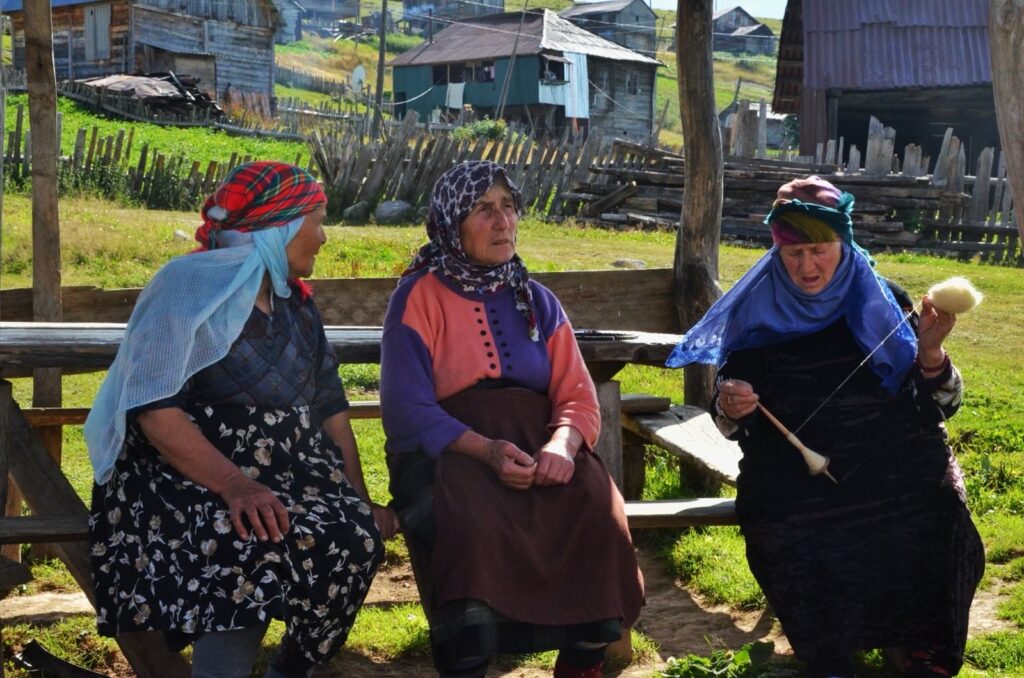
Photo by: Hurie Abashidze (photo taken in Beshumi)